
How to Enjoy Christmas Without Gaining Weight
Christmas doesn't have to be a test of willpower or a time when every cookie counts as a slip-up. If you're wondering how not to gain weight over Christmas, a few sensible habits will help more than a strict diet. And if you overeat at the festive dinner, there's no need to make up for it the next day by starving yourself or doing a punishing workout.
The goal isn't to keep the holidays perfectly under control. It's about enjoying the food you love, paying attention to your own hunger and fullness, and then getting back to your usual routine. One meal, or even a few festive days, doesn't erase everything you've done for yourself during the year.
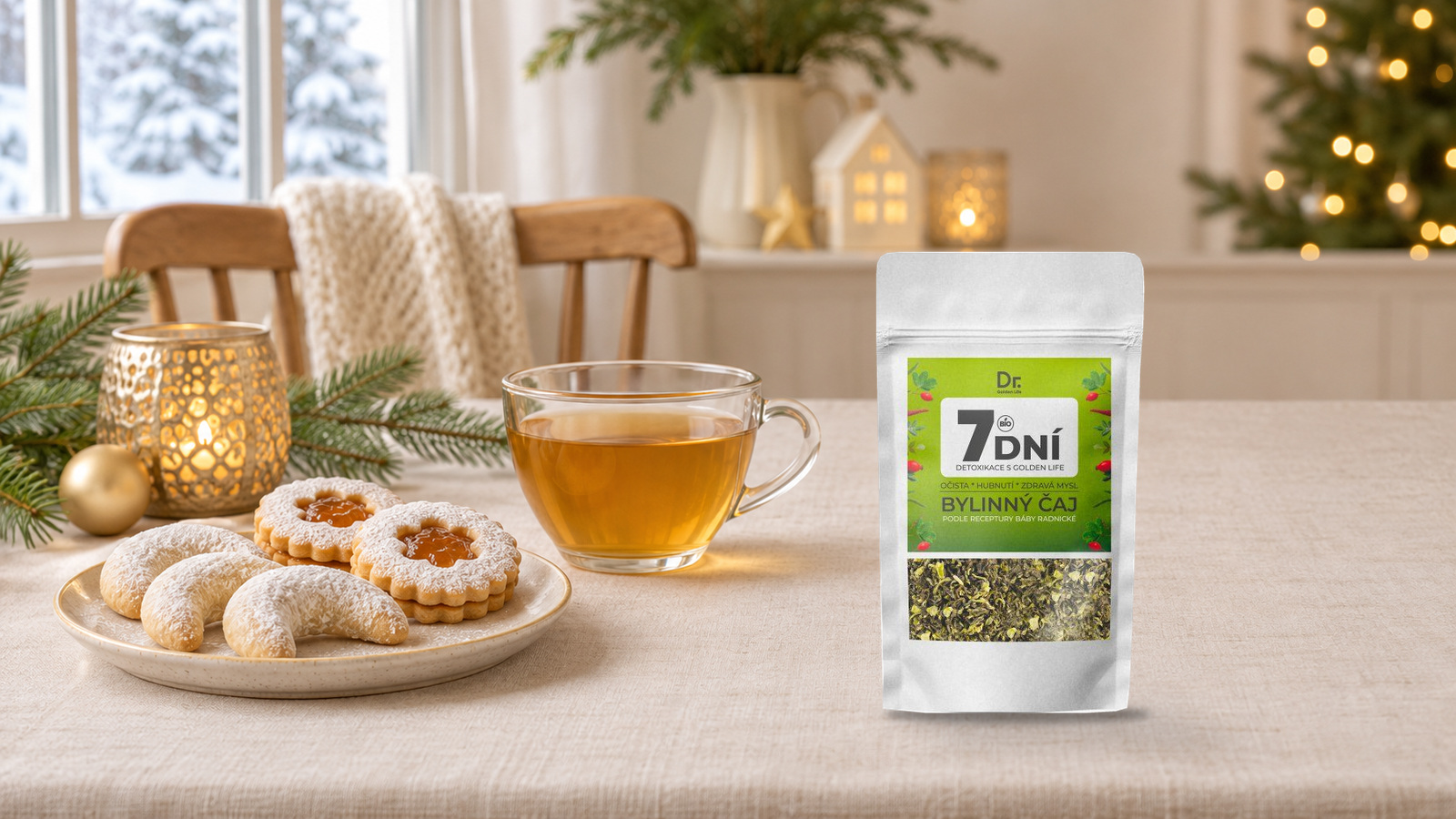
How much weight do people really gain over Christmas?
Holiday weight gain is often talked about as if everyone piles on several kilos in a few days. The available studies don't support that picture. In one study of 195 adults, the average weight gain between mid-November and early January was about 0.37 kilograms. The authors also pointed out that an average doesn't tell you how each individual's weight changed. The study was published in the New England Journal of Medicine.
Another study tracked the weight of almost three thousand people in the United States, Germany and Japan. Around Christmas it found, on average, a short-term weight increase that differed between groups. These figures don't mean that everyone gains the same amount either, or that all of the increase is fat. The results were published in the New England Journal of Medicine.
Your weight also changes depending on how much food and fluid you're digesting, how much salt you've had and how your daily rhythm has shifted. That's why there's little point in drawing conclusions from a single morning weigh-in after a big dinner. If the number on the scale worries you, go back to your usual routine and look at the long-term trend instead.
Don't prepare for the holidays by starving yourself
Don't skip meals before the festive dinner
Not eating all day to "save calories" for the evening often ends in intense hunger and eating too fast. When you know a festive lunch or dinner is coming, eat your normal meals during the day. They don't have to be big or complicated. What matters is not arriving at the table so hungry that you finish everything before you've noticed how you feel.
Think about protein, sleep and everyday movement
Protein in your main meal, such as eggs, yoghurt, legumes, fish or meat, can help a meal keep you full. Add fruit, vegetables or another source of fibre, depending on what you're used to. There's no need to follow a special meal plan before Christmas.
Ordinary movement and enough sleep help too. You don't have to add extra workouts because of the cookies. A short walk, going somewhere on foot or regular housework all count in their own right. See them as part of your day, not as a way to "work off" food.
At the Christmas table, choose what you enjoy
Serve yourself what you really feel like eating
Christmas food doesn't have just one right form. You can have the traditional dishes you love and add vegetables or a salad alongside them. Start with a reasonable portion and feel free to have more if you're still hungry. That gives you room to enjoy the meal without feeling you have to pile everything on your plate at once.
A lighter choice can simply be a way of cooking you're used to and that leaves you feeling good. Some people prefer baked fish and potato salad with less mayonnaise, others want to enjoy classic fried fish. There's no need to change the family menu just to make it "diet-friendly".
Slow down and give yourself a pause
Eat in a way that lets you notice the taste and when you've had enough. You can put down your cutlery between bites, chat for a while or take a sip of something. A pause before a second helping helps you tell whether you're still hungry or already pleasantly full.
You don't have to ban sweets and alcohol
If you fancy some Christmas cookies, have them mindfully and without guilt. It helps to have your favourite kind with tea or coffee and really savour it. Alcohol can increase your energy intake and, for some people, their appetite as well. You can alternate it with water or choose an alcohol-free option. Deciding what to treat yourself to doesn't have to be a competition in self-denial.
Keep your rhythm between the holidays
A walk is a lovely plan in itself
Between visits and celebrations, try to keep at least part of your usual routine. Go for a walk, clear your head, step outside for a while or carry on with your usual activity. Movement doesn't have to be intense to have a place in your day.
Drink when you're thirsty and treat tea as tea
Keep water to hand and drink throughout the day according to thirst. Herbal tea can be a pleasant part of the day, especially if you like it and it helps you stay hydrated. But there's no need to look for a tea that will "burn off" holiday food or remove fat.
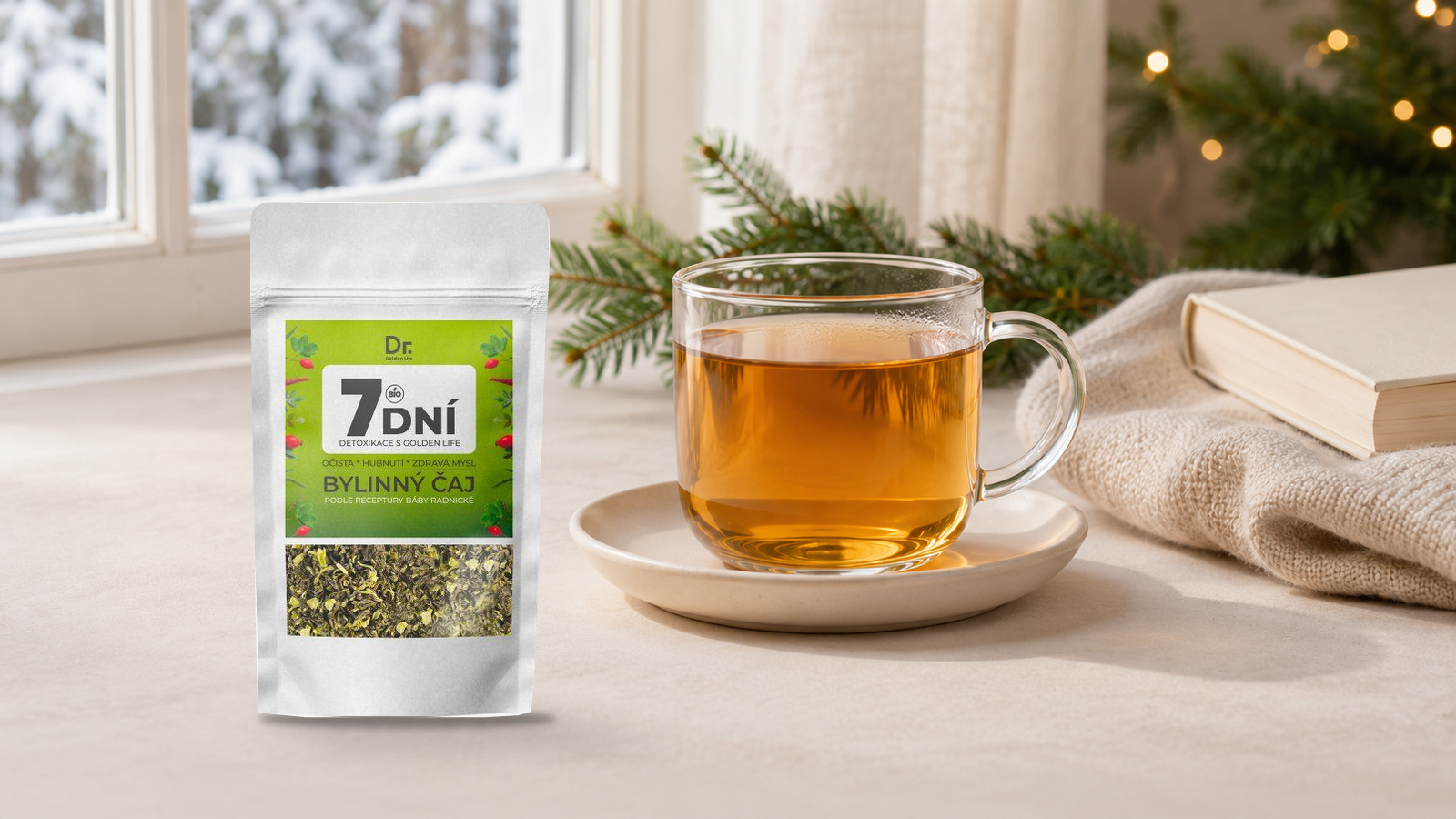
If you choose a herbal blend, read its ingredients and warnings. For example, Golden Life 7-Day Detox Tea is a food supplement with its own instructions and limitations. Drink it as the label says, not as a meal replacement or a remedy for feeling heavy.
What to do after overeating
Give your digestion time and go back to normal meals
After overeating you may feel full, pressure or bloating. Try comfortable clothes, some calm and time. If it feels good, take a slow walk and sip water. When you get hungry later or the next morning, have a normal meal that usually agrees with you. You don't have to start a fast or eat nothing but broth.
If you have digestive trouble, it can help to work out which foods make your own symptoms worse. Advice differs depending on the specific problem and the person. The NIDDK notes that some people are bothered by fatty foods, caffeine or fizzy drinks, for example. If the problems keep coming back, are severe or don't go away, see a doctor or pharmacist.
Probiotics aren't an instant fix for overeating, and you don't need to start taking them just because you had a bigger portion. Products differ in composition, and effects can't be attributed equally to all probiotics. If you're interested in probiotics, read our article on probiotics and digestion. Beauty Body & Soul contains probiotic and prebiotic ingredients, but taking it does not by itself guarantee relief after overeating.
Don't try to make up for what you ate
Starving, skipping meals or exercising as punishment often just prolongs the cycle of overeating and restriction. One episode of overeating doesn't call for a corrective regime. Try to return to your usual eating and movement at the next opportunity that suits you. If food and guilt keep troubling you, talk it through with a professional.
After Christmas, get back to your routine step by step
A post-Christmas detox doesn't need fasting
After the holidays, a quick detox promising a return to your pre-Christmas weight can be tempting. But starving, laxatives or drinking less aren't needed for your body to work normally again after the celebrations. Your organs, including the liver and kidneys, process waste continuously. Research on detox diets for removing toxins or for long-term weight loss is limited. An overview by the US NCCIH warns that some strict cleanses can even be risky.
Read more about the difference between detox and water loss in our article on detox and water loss. A short-term drop on the scale from losing water is not the same as losing fat.
The first week after the holidays, without big resolutions
In the first few days, go back to the meals you're used to. Buy your usual groceries, plan simple meals and include movement you enjoy. If you want to focus on losing weight after Christmas, set yourself a realistic approach you can keep up beyond January. You'll find the difference between basal metabolic rate and total daily energy expenditure explained in our article on basal metabolism. We also cover what changes with age in How to boost your metabolism after 40 and 50.
Quick checklist for your fridge
| When | What can help |
|---|---|
| Before the feast | Eat normal meals during the day and don't come to the table starving |
| At the table | Choose what you enjoy, eat more slowly and notice when you're full |
| Between the holidays | Keep up walks, sleep and your usual drinking habits |
| After overeating | Give yourself time, calm and a return to your usual meals |
| After Christmas | Skip punitive fasting and start with small, sustainable steps |
Frequently asked questions
How many calories are in Christmas cookies?
It depends on the type, size and recipe. Linzer cookies, vanilla crescents and no-bake balls can vary in energy content depending on the amount of butter, sugar, nuts and filling. If you need an exact figure, calculate the recipe from the ingredients used and the number of pieces. For an ordinary holiday, though, there's no need to log every bite.
How do I get rid of feeling bloated?
Give it time, wear comfortable clothes and perhaps take a short, gentle walk. Drink according to thirst and wait for your next meal until you feel hungry again. If bloating often comes back, watch whether particular foods trigger it, and see a doctor if the problems persist or are significant.
Is fasting after Christmas a good idea?
There's no need to fast as a punishment for festive food. After overeating, go back to regular meals guided by hunger and your usual needs. If you're considering fasting for other reasons or have health problems, discuss whether it's suitable with a professional.
Enjoy the holidays without punishing yourself
If you're thinking about how to lose weight after Christmas, start by returning to habits that suit you in the long run. You don't need a post-Christmas detox first, and you don't need to make up for every festive dinner. Enjoy the food you love, notice how you feel, and carry on with your usual rhythm after the holidays.
For more tips on digestion and self-care, you can browse the Golden Life tea range and read our other articles on probiotics, detox and water loss and metabolism. See the products as a possible addition to your daily routine, not as something that will solve overeating or weight loss for you.