
May Day: The Magic of Spring Traditions, Love and Awakening Nature
Celebrate the arrival of spring with flowers, a maypole and a kiss under a blooming tree.
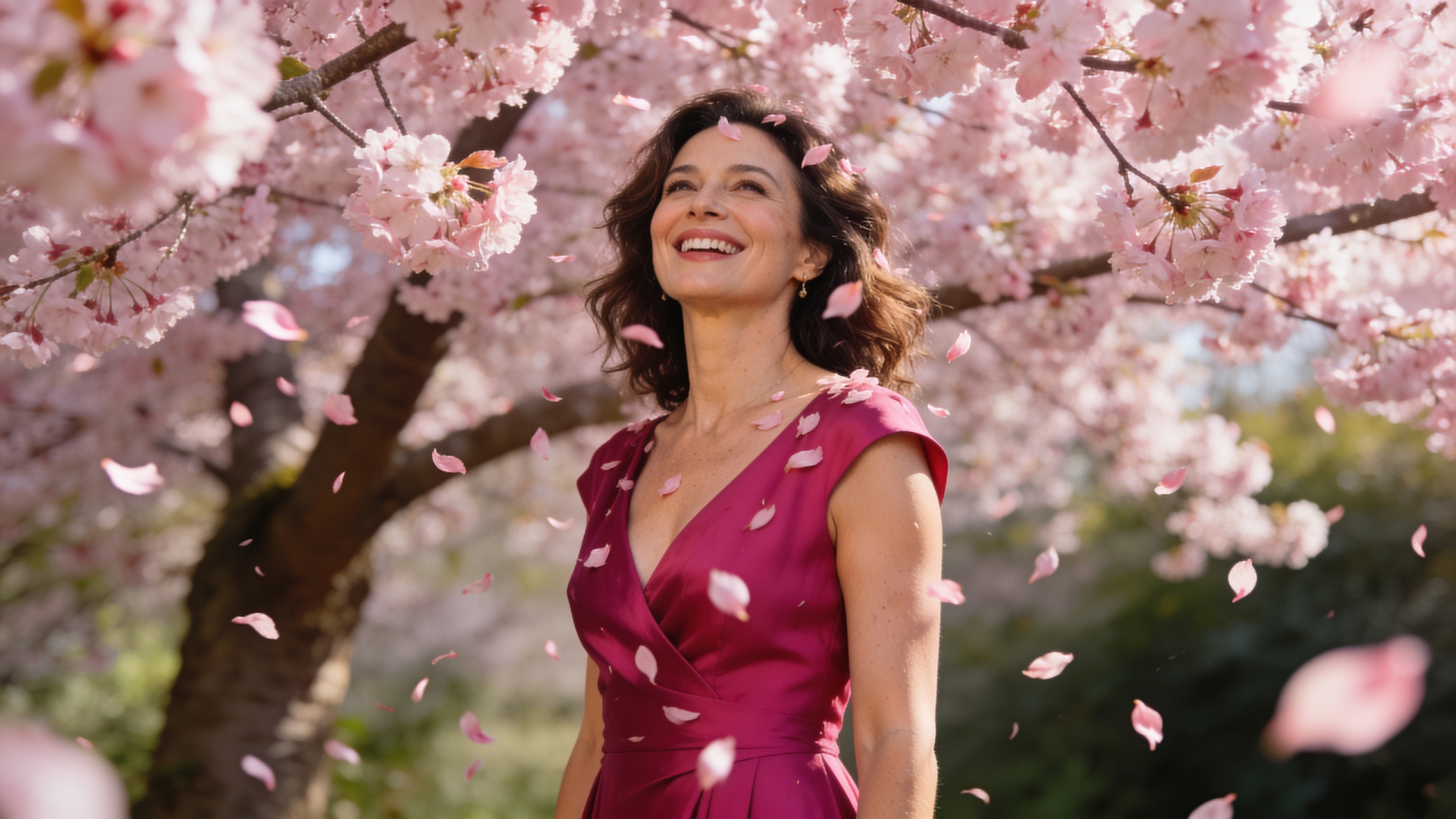
May Day is a day that in folk tradition symbolises love, spring and the renewal of life. This day has its roots in ancient customs that people observed for centuries to welcome a new season, celebrate nature and share joy with the community. Even today, when modern celebrations combine old traditions with new forms of entertainment, May Day retains its magical charm. It is, friends, a day full of flowers, maypoles, dances and folk customs that remind us of the connection between people and nature and the cycles of life. The roots of May Day reach back to pre-Christian times, when people celebrated the arrival of spring. These festivities were connected with the celebration of fertility, agricultural abundance and the renewal of nature after the long winter. People believed that spring rituals and merriment brought happiness, protection against evil forces and good harvests. With the arrival of Christianity, some customs were transformed, but many folk traditions survived. In the Czech lands and Slovakia, May Day became a day when maypoles are erected, dances and folk festivities are held, and old customs connected with love and nature are revived.
Raising the Maypole
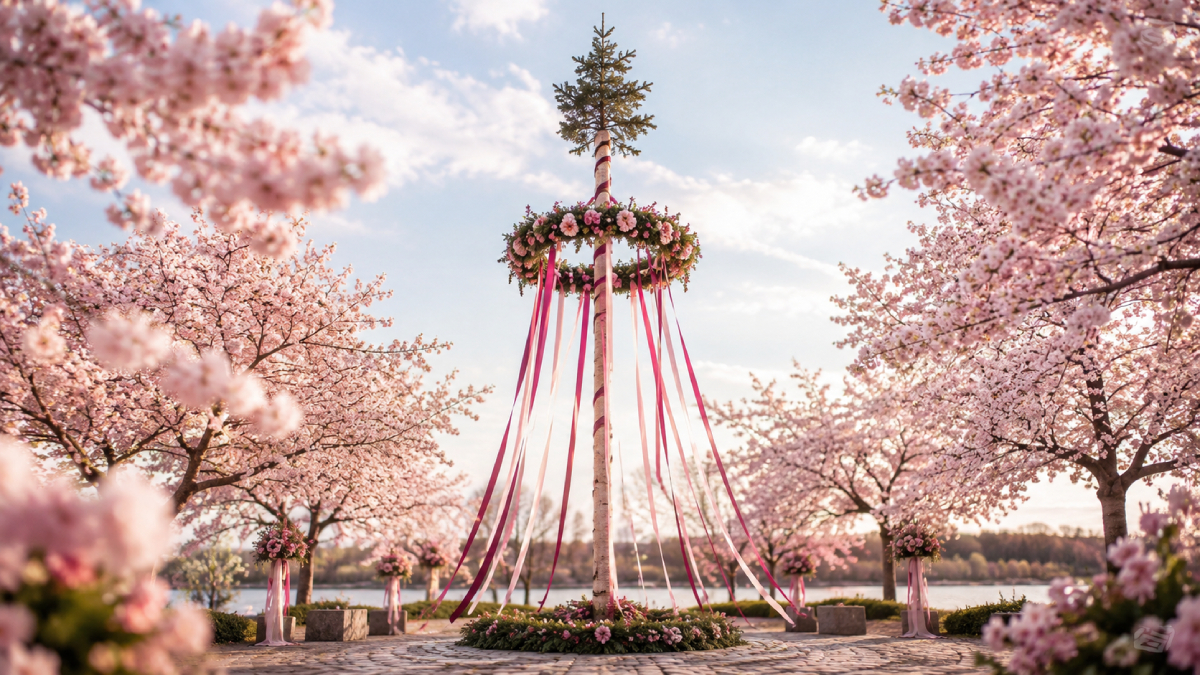
The most famous tradition is raising the maypole, a tall pole or tree decorated with flowers, ribbons and wreaths. The maypole symbolises new life, fertility and hope that the coming period will bring joy and harvest. Young people often raise the maypole on the evening of 30 April, and the following day celebrations and dances take place around it. Raising the maypole is not only a symbolic act but also a social event that brings communities together. In the past, young people gathered under the maypole to dance, sing and form new friendships or romantic relationships. The tradition of a kiss under a blooming tree originated from these very folk festivities and is still considered a symbol of happiness and love to this day.
Flowers and the Romance of May Day
Flowers play a crucial role in May Day celebrations. People give spring flowers such as lilies of the valley, tulips, daffodils or daisies, which symbolise the renewal of nature and the joy of a new season. In some regions, it was customary for girls to give flowers to boys, or vice versa, expressing sympathy and interest. Flowers were also used to decorate maypoles, houses and public spaces. Colourful ribbons and flower wreaths gave the celebrations a festive and cheerful atmosphere and were an expression of joy at the awakening of nature.
May Day is often associated with romance. A kiss under a blooming tree symbolises happiness and a love that is meant to last the whole year. In folk tradition, this day was also an opportunity for young people to meet, sing songs and go carolling. Boys would visit girls, sing songs and bring small gifts or flowers. These customs had not only a romantic dimension but also a social one – they strengthened the relationships between neighbours, families and the community as a whole. Love and merriment were an inseparable part of the festivities and contributed to a sense of togetherness among people. People go on trips, to parks, forests or meadows to enjoy the birdsong, blooming trees and fresh spring air. Being in nature at this time is associated with the renewal of energy, joy and a reminder of the beauty of life.
The Connection Between People and Nature
Let us say, friends, that May Day is not just merriment and flowers. It also symbolises the connection between people and nature and its cycles. Raising maypoles, giving flowers and folk rituals remind us that life is constantly renewing itself and that nature is a source of energy and joy. This day is also an opportunity to reflect on the value of community and mutual help. Traditions and rituals remind us that sharing joy, dance, music and spring energy connects people and strengthens interpersonal relationships.
The Modern Interpretation of May Day
Nowadays, people often combine traditional customs with modern forms of entertainment. In addition to raising maypoles and giving flowers, festivals, concerts, cultural markets and sporting events are organised. Many people use the day for family trips, picnics or simply relaxation in nature. In Prague, for example, Petřín is a popular spot where couples in love gather every year.
Nevertheless, traditional elements remain an integral part of the celebrations – raising the maypole, kisses under the tree and giving flowers are still very popular and connect generations. Modern celebrations thus link the past with the present and remind us that the arrival of spring is a time of renewal and joy.
Labour Day
💡 Did you know that alongside romance, May Day also has historical significance as Labour Day? It commemorates the struggle of workers for better working conditions and originated at the end of the 19th century. Today, marches and demonstrations are held in some countries, but in the Czech Republic this day has taken on a quieter and more personal character.
And in Conclusion?
As a poet might say… "When you open your heart to the beauty of spring, you will discover that every new blossom, every tree and every breath of wind carries a reminder that life is a constant renewal, love and joy. Just as May Day brings freshness and hope, we too can begin each day anew and discover the beauty around us with gratitude." And remember, if a man kisses a woman on May Day, the woman will be beautiful and healthy for the entire year. And that is what we women want. So, gentlemen, we look forward to May Day.